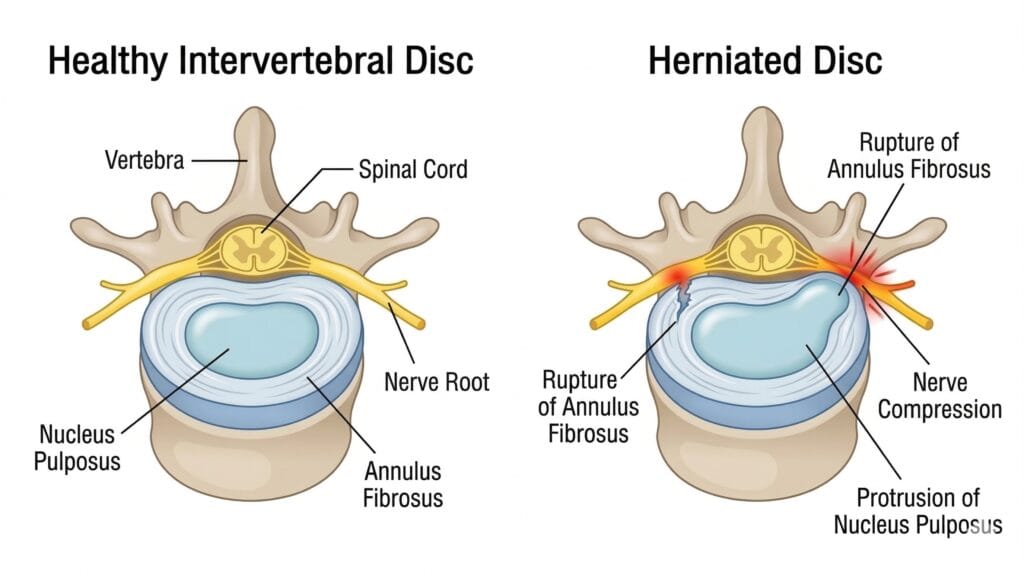
Tailbone Pain When Sitting: Causes and When to Seek Assessment in Jeddah
Does a long drive across Jeddah or time at your desk leave a sore spot at the very bottom of your spine? Pain in this area may be coccyx pain, also called coccydynia. The location, how it began and any other symptoms matter more than the label. This guide explains useful next steps without assuming that you need a scan or a particular treatment.
- Tailbone Pain When Sitting: Causes and When to Seek Assessment in Jeddah

Start with the story of your symptoms
Note where the pain is, when it started and whether sitting, getting up or a recent fall changes it. Bring those details to an assessment.
Where is tailbone pain felt?
The coccyx is the small bone at the end of the spine. Typical symptoms include a tender spot near the top of the buttock crease, often worse with sitting or moving from sitting to standing. Some people notice discomfort during bowel movements. These symptoms can suggest coccyx pain, but cannot confirm its cause online. NHS patient guidance describes this pattern.
If your discomfort is higher across the waist or beside the back dimples, compare our guides to lower back pain after sitting and SI-joint pain. Tell the clinician the precise location rather than relying on an article to diagnose it.
Why can it start?
A fall onto your bottom, prolonged pressure during driving or cycling, and pregnancy or childbirth can contribute. Sometimes there is no obvious trigger. Sitting-related pain does not automatically mean the bone is displaced or fractured. Leicester’s Hospitals’ 2026 leaflet explains common causes and the range of recovery times.
Practical ways to make sitting more comfortable
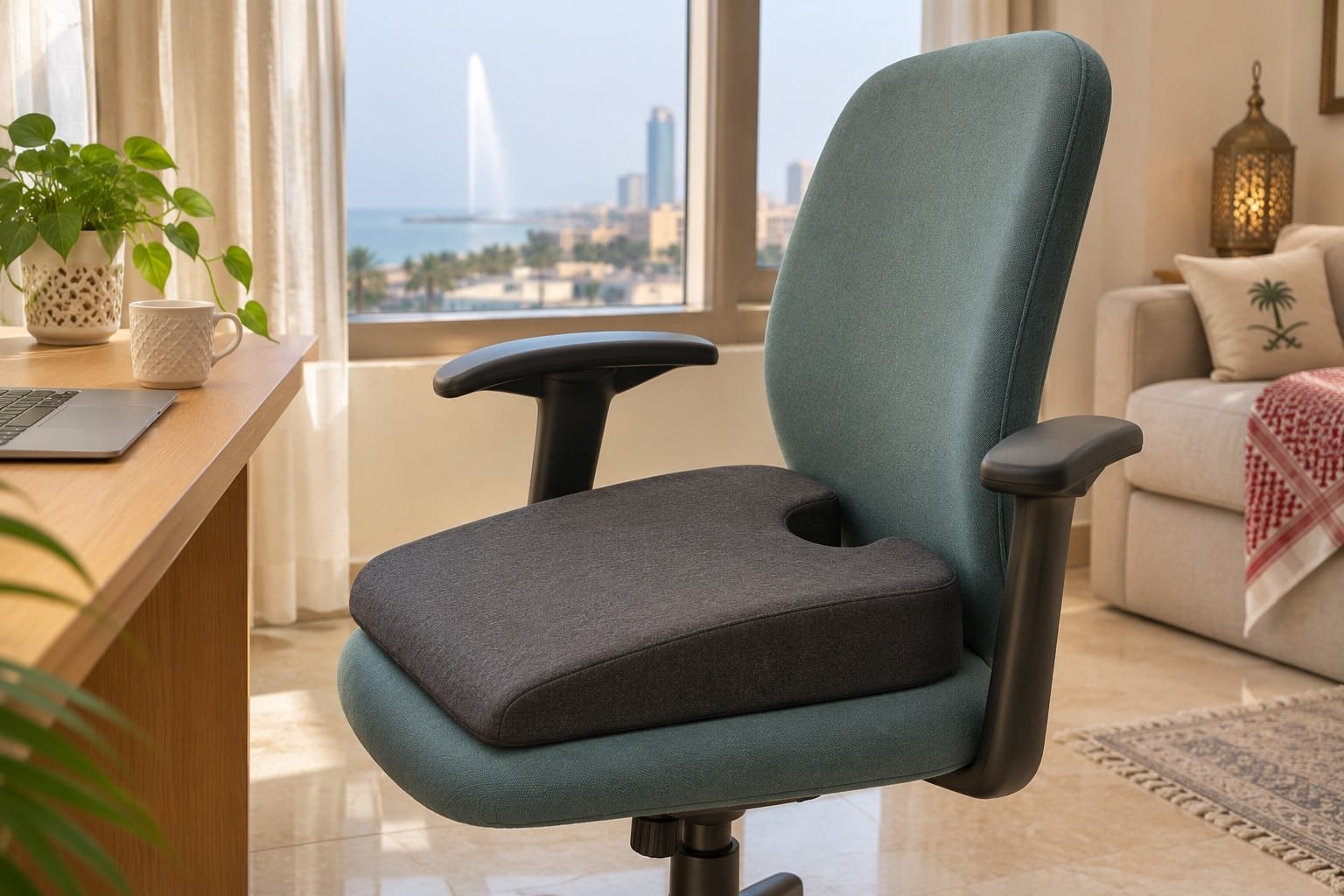
Try a coccyx cushion that reduces direct pressure, support your lower back, and break up prolonged sitting. Change position or take a short walk when comfortable. For longer drives, plan safe stops; adjust the seat before setting off.
A wrapped cold pack or gentle warmth may help. Protect your skin and avoid direct contact with ice or a hot surface. Ask a pharmacist or clinician about suitable pain relief, especially if you are pregnant, take other medicines or have an ongoing medical condition. Do not copy someone else’s medication plan. These are comfort measures, not a substitute for assessment if pain persists.
When should you seek medical help?
Arrange an assessment if pain is interfering with work, sleep or daily activities, or has not improved after a few weeks of home care. Seek prompt medical advice for fever, unexplained bleeding, worsening pain or symptoms after an injury.
Go to an emergency department promptly if you develop new difficulty controlling or emptying your bladder or bowels, numbness around the genitals or anus, or new weakness or numbness in both legs. Major trauma also needs urgent care. Do not wait for a routine clinic booking. These warning signs are described in NHS back-pain guidance.
What does an assessment involve—and do you need imaging?
Expect questions about an injury, sitting tolerance, bowel symptoms and the effect on your daily life, followed by an appropriate examination. Skin or pelvic conditions can also need consideration. Bring existing reports and a medication list; you do not need to arrange a scan just to prepare for a first discussion.
Imaging is selected according to the findings. In persistent or unusual cases, a clinician may consider coccyx-specific X-rays, sometimes comparing sitting and standing, or other imaging for a particular concern. A 2026 review of coccydynia management supports a targeted approach rather than using MRI for every episode.
How is treatment chosen?
Care usually begins with reducing pressure and an individual conservative plan. Physiotherapy, suitable exercises and, in selected cases, specialist injections may be considered. Surgery is reserved for selected persistent cases after other options have failed, as outlined by the University of Colorado.
There is no single technique that suits everyone. A 2025 diagnostic and treatment review notes limitations in the evidence for several approaches. An assessment should establish whether care is appropriate and whether another professional is needed; no outcome or fixed session count can be promised from symptoms alone.
Frequently asked questions
Is tailbone pain always sciatica?
No. Pain at the coccyx and symptoms travelling into a leg describe different patterns. Mention any leg pain, tingling or weakness during the assessment.
How long will it last?
Some episodes settle within weeks; others take longer. Recovery depends on the cause and severity. Persistent pain deserves review rather than a guaranteed recovery date.
Should I try to adjust the coccyx myself?
Do not attempt forceful self-manipulation. Ask for an assessment and a plan suited to the findings.
General education only; this article cannot diagnose your symptoms or replace individual medical advice. Sources checked on 3 November 2026. Images are generated editorial illustrations, not patients or treatment outcomes.