Lower Back Strain After Lifting: What to Do and When to Seek Assessment
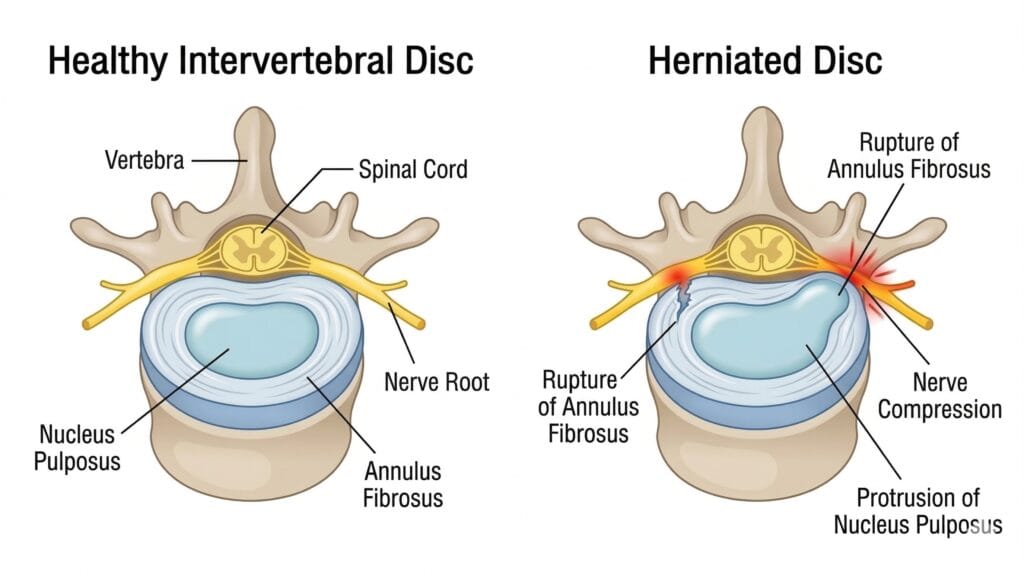
Did your lower back start hurting after moving a box or carrying household items? Start by checking for warning signs and deciding what you can comfortably manage now. This guide helps you prepare your next step without assuming the pain means a slipped disc or a vertebra out of place.
- Lower Back Strain After Lifting: What to Do and When to Seek Assessment

Describe the episode before choosing a treatment.
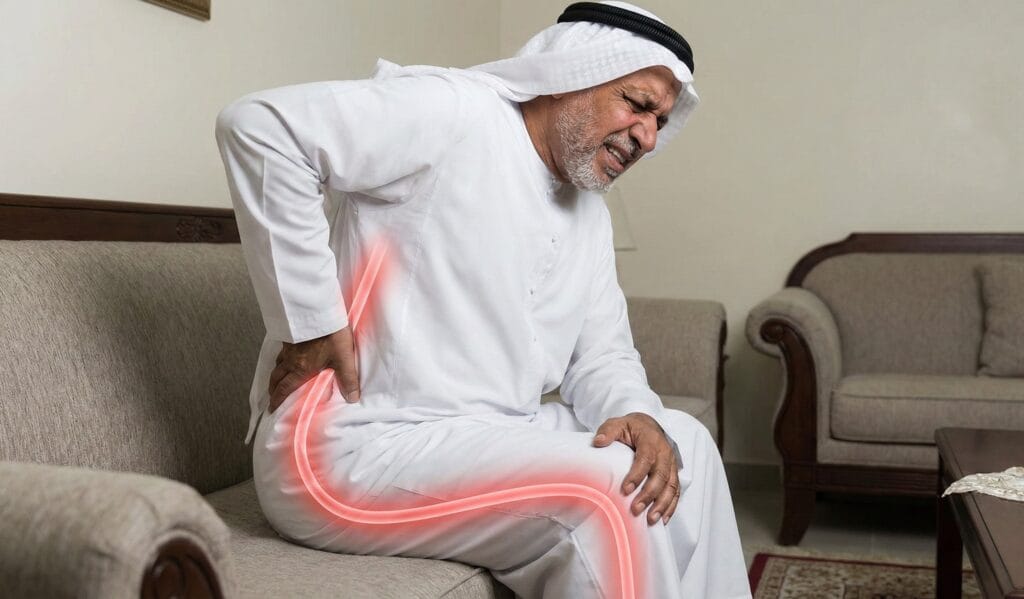
Note when pain began, which movements bother you and whether symptoms reach your leg. Calling it a “strain” yourself does not establish a diagnosis.
Does pain after lifting mean a muscle strain?
Muscles or ligaments may be overstretched or injured suddenly or through repeated use. Stiffness and spasms can occur, as the American Association of Neurological Surgeons explains. Timing alone cannot establish the cause; assessment may need to rule out other problems.
Avoid repeating the painful lift to test yourself or diagnosing from symptom pictures. Bring a clear account of the episode and what changed afterward.
When to seek emergency or urgent care
Seek emergency care for bladder or bowel changes, numbness around the genitals or anus, pain, tingling, weakness or numbness in both legs, chest pain, or pain after a serious accident. Fever or feeling generally unwell, sudden severe pain or rapid worsening require urgent medical assessment. See the NHS warning signs. Do not wait for a routine chiropractic appointment when these occur.
Early steps without warning signs
Modify the task that aggravates pain and try tolerable light activity, such as a short walk. Avoid prolonged bed rest and stop activity that increases pain. Mayo Clinic describes maintaining suitable activity and adapting movements during an episode.
Ask a pharmacist or doctor about medicines or heat/cold measures appropriate for your health and medication. Do not copy someone else’s dose or use temporary relief as a signal to repeat the same heavy task immediately.
Returning to everyday tasks

Choose a practical goal to discuss: walking to the car, managing household tasks or driving around Jeddah. Record what you can do and what limits you.
Ask for help moving heavy objects and discuss a gradual return matched to your assessment and capacity. If sitting becomes the main issue, our back pain after sitting guide addresses the workday separately.
Do you need an X-ray or MRI?
Not every uncomplicated episode needs imaging. The ACR and RSNA guide explains that trauma, osteoporosis and persistent or worsening symptoms can change the decision. Share your medical history and bring existing reports; do not order scans because of an article. Read when MRI may be considered for back pain.
When to arrange an assessment in Jeddah
Arrange assessment if pain limits everyday tasks, is not improving or concerns you. Mention previous injuries, medicines and leg symptoms. Examination connects symptoms with movement and what needs excluding, then guides suitable care or referral.
Options may include movement advice, appropriate exercises and manual techniques when suitable. NCCIH describes potentially modest benefits of spinal manipulation for some low-back pain, temporary side effects and rare reported serious complications. Discuss benefits, risks and alternatives. An article cannot guarantee recovery or determine your session count.
Questions before your visit
Can I distinguish a muscle strain from a disc problem myself?
Symptoms alone cannot settle this. Tell the practitioner about spreading pain, numbness or weakness; findings may require neurological examination or referral.
When can I return to weights or physical work?
Ask for a plan matched to your work or training. No single weight or return date suits everyone. Agree what you can do now and when to review it.
What should I bring to Rikaz?
Note symptom onset, affected activities and what you have tried. Bring a medication list and available reports. Read the first visit guide and check current appointment details.