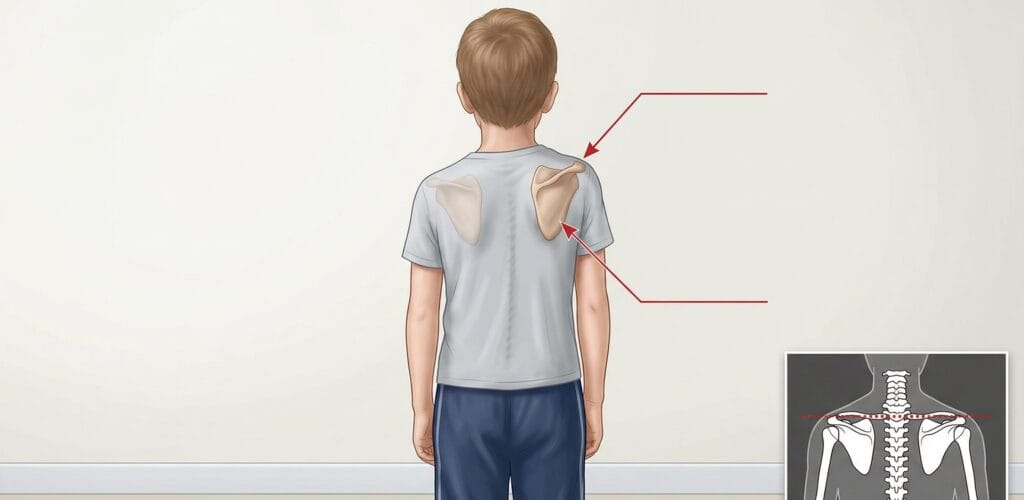
Do You Need an MRI for Lower Back Pain? A Guide Before Your Scan
Not every episode of lower back pain needs an immediate MRI. A useful question is: what are we looking for, and would the answer change the care plan? The decision depends on your history, examination and accompanying symptoms, not simply concern about a disc problem.
- Do You Need an MRI for Lower Back Pain? A Guide Before Your Scan
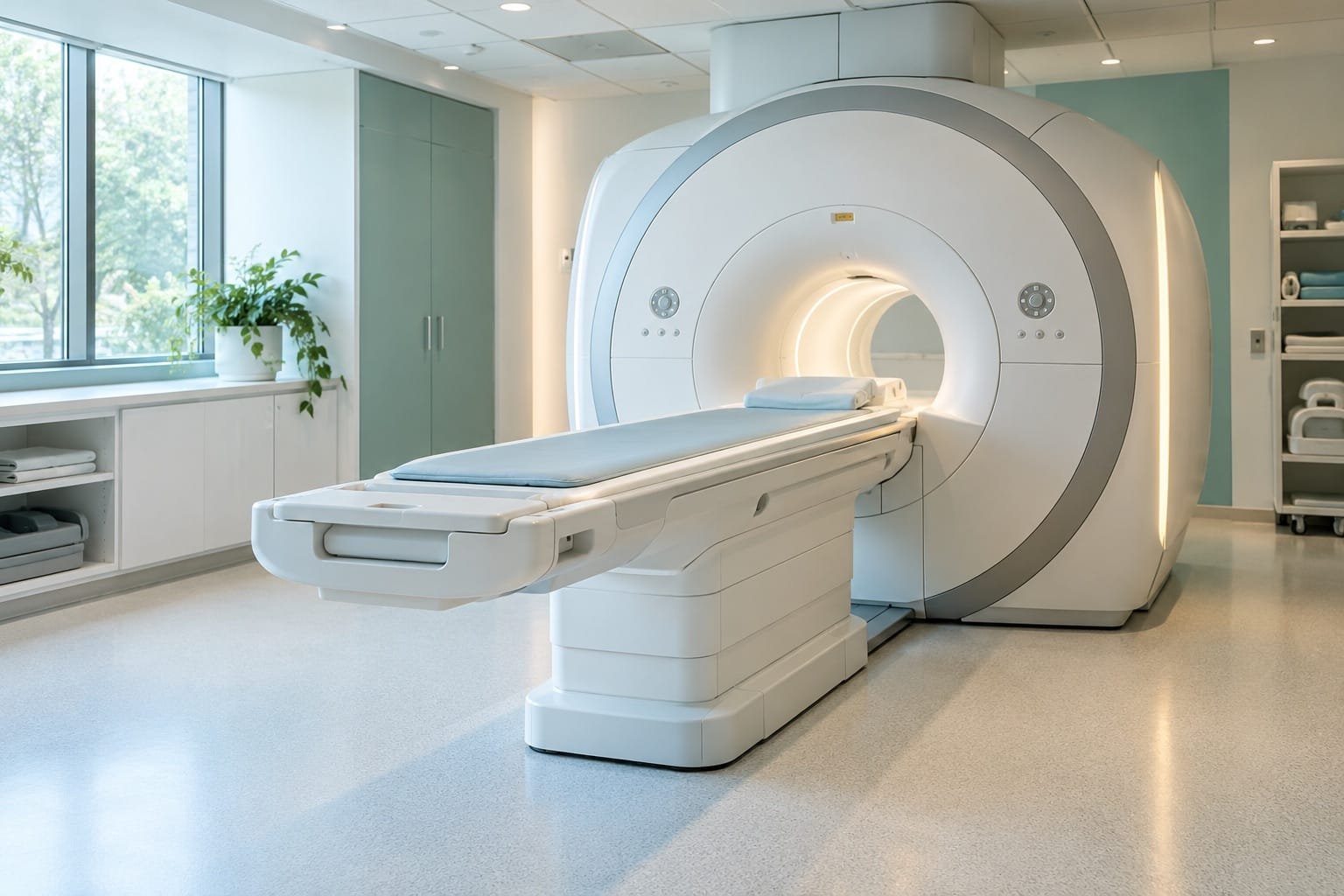
The right scan starts with a clear question
Discuss why imaging is being considered and how the result would change your care.
AI-generated illustration, not a photograph of equipment at Rikaz.
When is imaging not the first step?
NICE guidance on lower back pain and sciatica advises against routine imaging in nonspecialist care, with specialist imaging considered when it is likely to change management. This means choosing a scan for a clinical reason, while arranging it when necessary.
When might the priority change?
ACR and RSNA imaging information describes situations such as persistent or worsening symptoms despite care, trauma, or suspected infection or cancer where imaging may be appropriate. The suitable test depends on the individual situation.
New difficulty passing urine, loss of bladder or bowel control, saddle-area numbness, or severe or worsening weakness in both legs requires emergency assessment. The Evidence-Based Interventions guidance stresses that suspected cauda equina syndrome must not have urgent investigation delayed.
Does every scan finding explain the pain?
Disc and joint changes can be present in people without symptoms. A report therefore needs to be interpreted with the examination. The word “bulge” alone cannot determine treatment or the need for surgery. Ask which findings fit your symptoms and which may be incidental rather than treating the report as a final verdict.
Five questions to ask before a scan
- What specific question will imaging answer in my case?
- How would a normal result or an abnormal finding change the plan?
- Are there warning signs that make this urgent?
- Can my previous images help, and do you need the images as well as the report?
- Who will explain the result and agree the next step?
Bring this list to your appointment. Asking about the reason and alternatives is a normal part of participating in decisions about your care.
If MRI is recommended, how should you prepare?
Follow the imaging centre’s instructions. Tell the team about implanted devices or metal, possible pregnancy, and kidney problems or allergies when asked. Discuss claustrophobia in advance. Preparation varies with the examination; see the NHS MRI information and follow your treating centre’s advice.
Frequently asked questions
Do I need a scan before booking an assessment in Jeddah?
Do not assume so. Ask what is required for your appointment and bring existing reports rather than arranging repeat tests yourself.
Can an MRI alone decide how many treatment sessions I need?
Ask the clinician how the scan, examination and your goals inform the proposal, and when progress will be reviewed. A report should support that discussion.
Read more: first-visit guide · disc information
This general information does not determine your individual need for imaging or replace medical assessment.