Pregnancy Back Pain Treatment: How to Safely Relieve Sciatica and Pelvic Pressure
Motherhood is one of life’s most beautiful journeys, but it comes with a physical toll that cannot be ignored. As your pregnancy progresses, you might start feeling a massive, heavy ache concentrated in your lower back, a sharp stabbing pain in your pelvic area, or even an electric shock sensation shooting down one of your legs (commonly known as sciatica).
Mothers are often given frustrating, traditional advice: “This is just a normal part of pregnancy. You have to put up with it until delivery, and you can’t take painkillers!” But does pregnancy really have to be synonymous with daily pain and suffering?
At Rikaz Chiropractic Clinic in Jeddah, we believe that your body is undergoing immense mechanical changes, and these changes require gentle biomechanical care, not dismissal. In this article, we will explain the physical reasons behind your discomfort and how chiropractic care provides safe, drug-free pregnancy back pain treatment for both you and your baby.
- Pregnancy Back Pain Treatment: How to Safely Relieve Sciatica and Pelvic Pressure
- Why is Back Pain a "Heavy Guest" During Pregnancy? (The Biomechanics)
- Is Chiropractic Care Safe for Mother and Baby?
- 3 Mechanical Benefits of Chiropractic Care During Pregnancy
- Not Just Back Pain: Are You Suffering from Pelvic Girdle Pain (PGP)?
- 3 Daily Habits to Instantly Relieve Pelvic Pressure at Home
- The Rikaz Methodology: Gentle, Customized Care for Mothers
- Enjoy Your Pregnancy in Comfort, Not Pain!
Why is Back Pain a “Heavy Guest” During Pregnancy? (The Biomechanics)
Lower back and pelvic pain during pregnancy is not just general “fatigue.” It is the direct result of drastic physical and hormonal changes happening in a very short period:
- The “Relaxin” Hormone: In a brilliant attempt to prepare your body for childbirth, your system releases a hormone called Relaxin to loosen and stretch the ligaments in your pelvis. This sudden looseness makes your pelvic joints (SI Joints) unstable, causing them to move too much. This creates friction, inflammation, and sharp pain when walking or rolling over in bed.
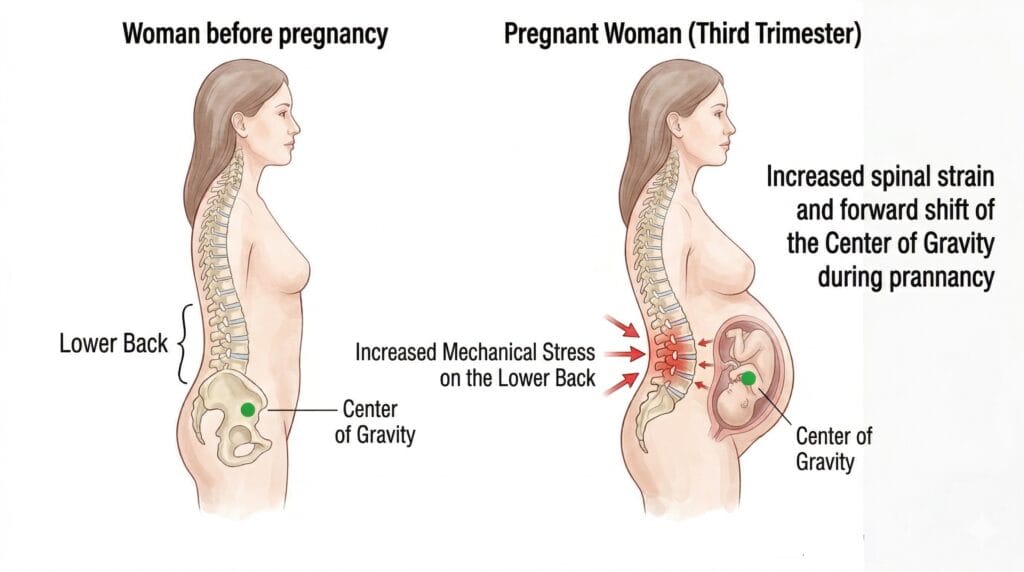
- A Shifting Center of Gravity: As your baby grows, your body’s center of gravity is aggressively pulled forward. To stop yourself from falling over, you subconsciously arch your lower back (Hyperlordosis) and lean your shoulders back. This new posture places crushing mechanical pressure on your lumbar joints.
- Piriformis Syndrome & Sciatica: Because your pelvis is shifting, the deep muscles in your glutes constantly spasm to try and stabilize the loose joints. This muscle tension often puts direct pressure on the sciatic nerve, triggering the burning symptoms of Sciatica Pain.
Is Chiropractic Care Safe for Mother and Baby?
This is the most important question on every expecting mother’s mind. The definitive medical answer is: Yes, it is extremely safe. Chiropractic care during pregnancy involves no drugs, no surgery, and no aggressive techniques. It relies solely on highly specific, gentle manual adjustments tailored to accommodate loose, Relaxin-affected joints.
In fact, many obstetricians and gynecologists worldwide recommend chiropractic care as a first-line defense for managing bone and joint pain during pregnancy, as it treats the root mechanical cause without exposing the baby to any chemicals.
3 Mechanical Benefits of Chiropractic Care During Pregnancy
Receiving regular chiropractic adjustments does not just offer pregnancy back pain treatment; it actively prepares your body for an easier delivery:
- Relieving Pelvic Pressure & Round Ligament Pain: By rebalancing the pelvic bones, we reduce the uneven tension pulling on the ligaments that support your uterus, significantly easing that sharp, stabbing pain in your lower abdomen.
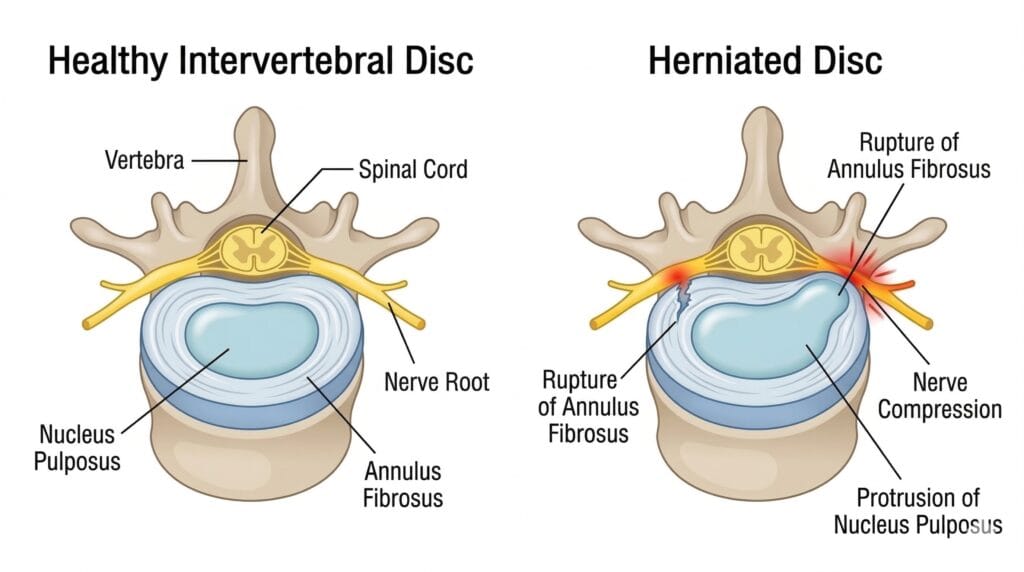
- Silencing Sciatica: Gentle adjustments to the lower lumbar vertebrae and SI joints remove the structural pressure off the nerve roots, stopping the electric pain that shoots down your legs.
- Preparing the Pelvis for a Smoother Delivery: A balanced, aligned pelvis provides the optimal amount of room for your baby to move into the correct position (head down) for birth, reducing the likelihood of complications caused by a twisted or restricted birth canal.
Not Just Back Pain: Are You Suffering from Pelvic Girdle Pain (PGP)?
Many pregnant women visit the clinic with a different complaint; the pain isn’t in their back, but rather a sharp, stabbing pain in the front of the pelvis (at the pubic bone), or a deep ache in the glutes that gets severe when climbing stairs, getting out of the car, or trying to stand on one leg to get dressed.
This frustrating condition is known medically as Pelvic Girdle Pain (PGP) or Symphysis Pubis Dysfunction (SPD). It happens when the three joints of your pelvis (the two SI joints in the back and the pubic joint in the front) move unevenly and out of sync due to the Relaxin hormone. This mechanical dysfunction causes severe friction and inflammation in the cartilage.
How we help: By precisely rebalancing the rear pelvic joints (SI Joints), we drastically reduce the mechanical stress placed on the pubic bone in the front. This stops the abnormal friction, allowing you to walk and sleep without that sharp, debilitating pain.
3 Daily Habits to Instantly Relieve Pelvic Pressure at Home
Alongside receiving your pregnancy back pain treatment at the clinic, there are simple mechanical adjustments you must apply at home to protect your loose pelvis:
- The “Log Roll” Out of Bed: Never sit straight up (like doing a crunch) to get out of bed. This puts massive strain on your lower back and can cause abdominal muscle separation (Diastasis Recti). Instead, roll onto your side first, drop your legs off the edge, and use your arms to push your upper body up slowly.
- Sleeping with Balancing Pillows: When sleeping on your side, place a thick pillow between your knees and another wedge pillow under your belly. This simple mechanical action stops your upper thigh from dropping downward, which keeps your pelvis parallel and prevents your SI joint from twisting all night long.
- The “Feet Together” Rule: Completely avoid standing on one leg. When putting on clothes or shoes, always sit down. When getting out of a car, swivel both legs out at the exact same time (as if you are wearing a tight pencil skirt). Standing on one leg forces the entire weight of the pregnancy onto one side of your unstable pelvis, causing instant inflammation.
The Rikaz Methodology: Gentle, Customized Care for Mothers
Treating a pregnant woman requires the utmost caution, extensive expertise, and an incredibly comfortable environment.
At Rikaz Clinic in Jeddah, under the expert supervision of Dr. Mohammad Yashar (who graduated with honors after 5 years of rigorous academic and clinical training at the prestigious RMIT University in Australia), we follow a specialized prenatal protocol:
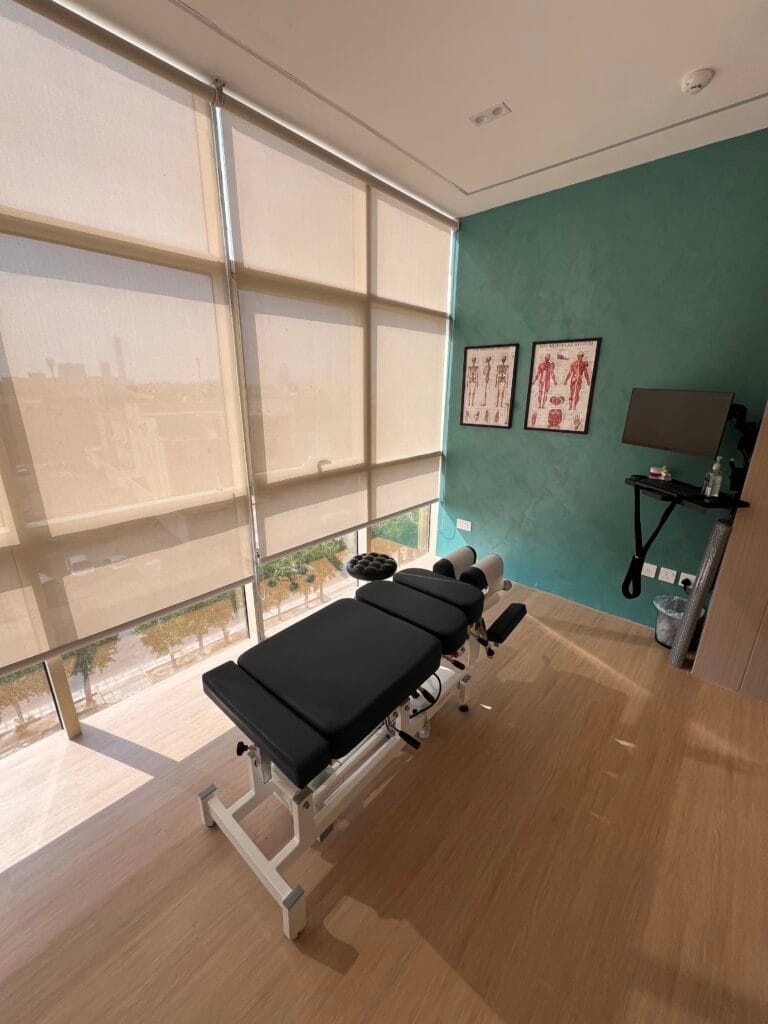
- Specialized Drop Tables: Our clinic beds are designed to comfortably accommodate a pregnant belly. They allow us to perform necessary pelvic adjustments using incredibly light pressure, without requiring any harsh twisting motions.
- Pregnancy Support Pillows: We use specially designed cushions that allow you to lie down safely and completely relax during your session.
- Gentle Adjustment Techniques: Because the Relaxin hormone is present, we do not need to use heavy force to adjust the joints. We rely on highly precise, incredibly gentle movements to restore your structural balance.