Scoliosis Treatment in Jeddah
Scoliosis Treatment in Jeddah Without Surgery or Medication
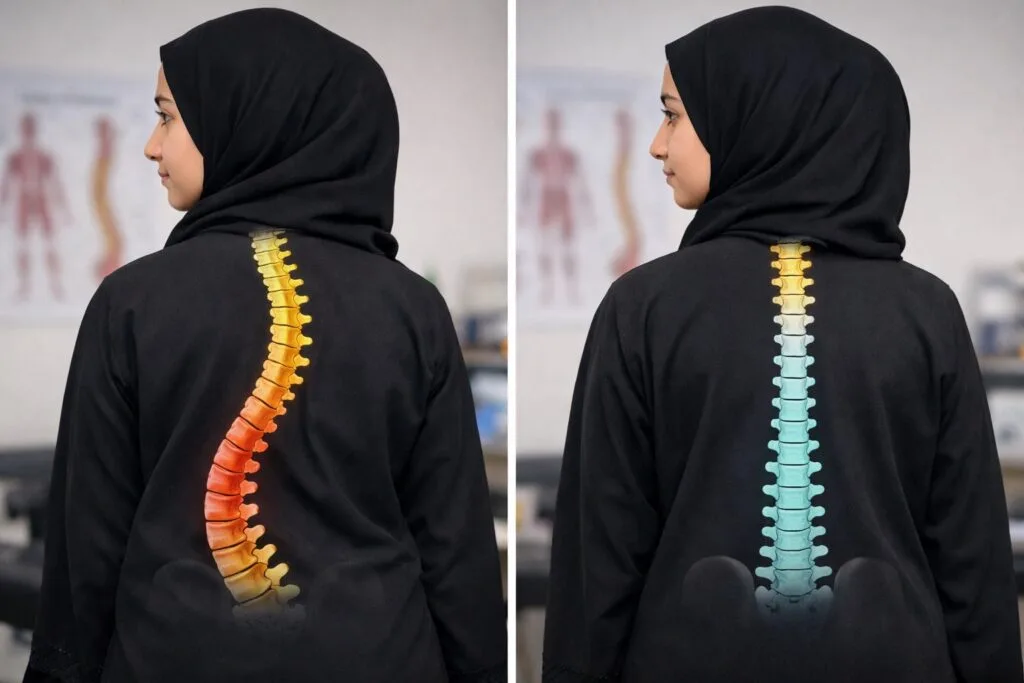
Scoliosis is one of the most common spine conditions. It refers to an abnormal sideways curvature of the spine, often shaped like a C or S curve. Scoliosis may appear during the teenage years, or develop gradually in adults over time.
Depending on the type and severity of the curve, scoliosis can lead to:
Back pain or stiffness
Muscle imbalance and fatigue
Postural changes (uneven shoulders or hips)
In advanced cases, reduced breathing capacity
Scoliosis can also cause pain in the lower back or the upper back (including mid-back tension), depending on where the curve is and how it affects body mechanics.
At Rikaz Chiropractic Clinics in Jeddah, we provide safe, natural scoliosis care focused on improving spinal function, reducing pain, strengthening support muscles, and correcting posture as much as possible — with a plan tailored to your age and curve severity.
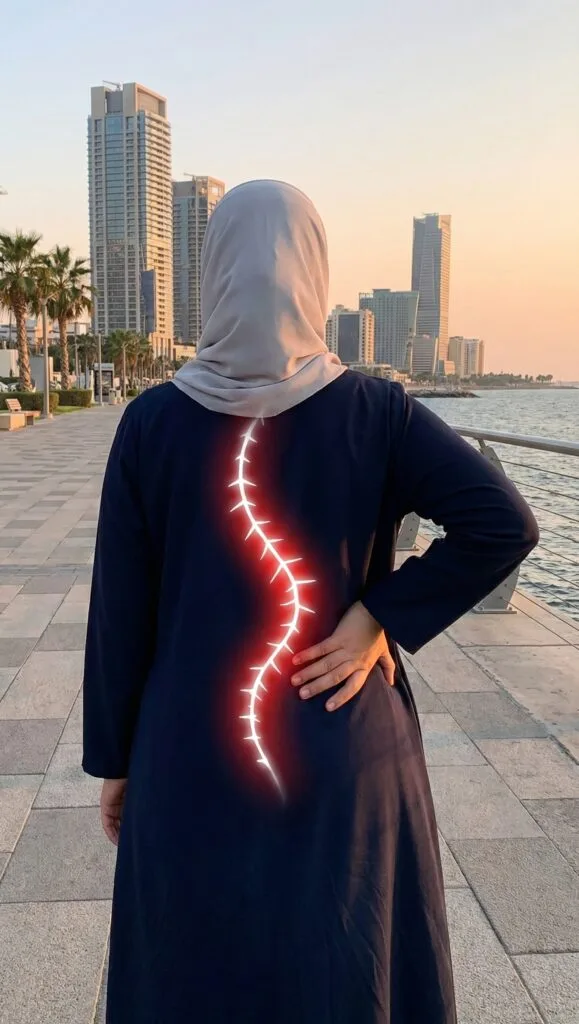
Uneven shoulders or one shoulder sitting lower
Quick back fatigue after long sitting or standing
Back or neck pain and stiffness
If these symptoms continue or begin to affect your mobility and daily performance, it may be time to schedule a professional chiropractic evaluation.
Scoliosis Facts & Statistics
Scoliosis is not just “bad posture.” It is a structural/functional spinal condition that can range from mild to severe.
Scoliosis often appears during growth spurts, but it can also develop in adults due to:
Wear and tear of spinal joints and discs
Age-related degenerative changes
This is known as Degenerative Scoliosis, and it becomes more common after the age of 50.
2% – 3%
Scoliosis affects around 2% to 3% of people in varying degrees.
Most cases are mild, but a small percentage may progress and require close monitoring.
4 x 8 higher
When curves exceed 30–40 degrees, scoliosis progression is much more common in females — up to 4 to 8 times higher than males.
This is why early screening and monitoring for girls during growth years is especially important.
Ages 10 – 15
Scoliosis most commonly appears during rapid growth between 10 and 15 years old.
This stage is sensitive because curves may progress quickly during growth.
Curve Severity (General Guide)
Under 20°: usually monitoring and follow-up
20–40°: close monitoring + structured rehab exercises
Above 40–45°: may require additional specialist evaluation
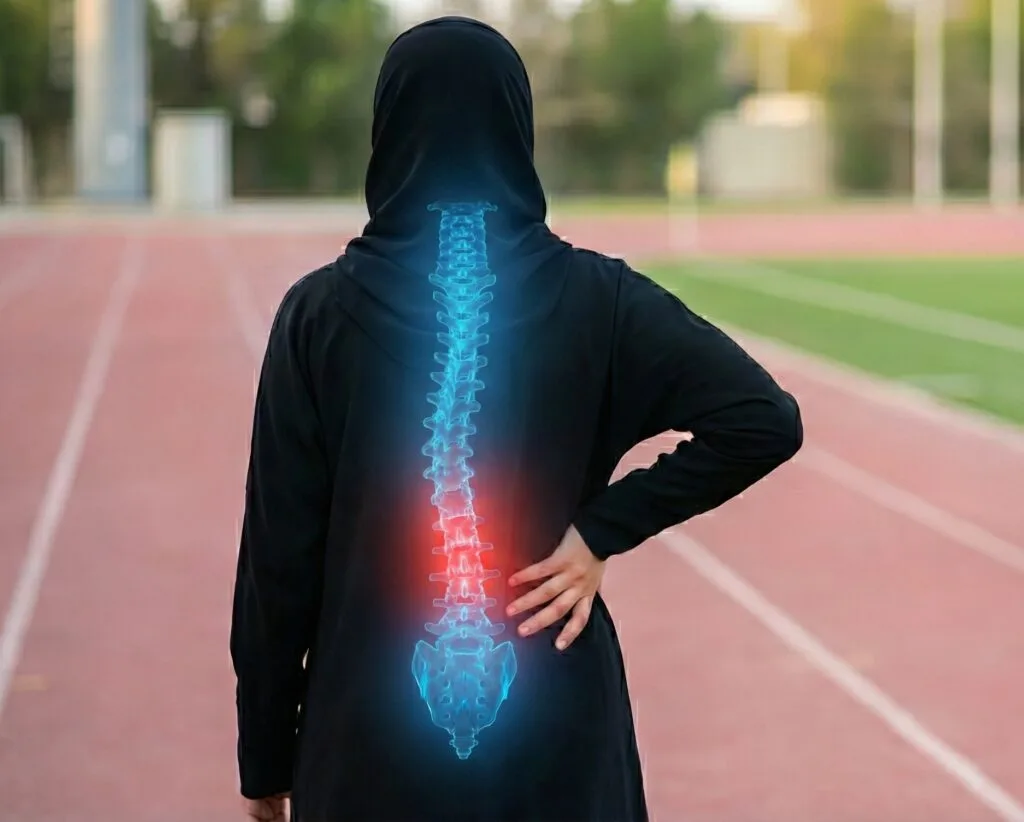
You’re Not Alone!
These numbers highlight how common scoliosis is — especially in females — and why early evaluation matters:
Many scoliosis cases begin without pain
Girls are more likely to experience curve progression
Growth years are the most sensitive stage
Early detection helps prevent worsening
At Rikaz Chiropractic in Jeddah, we focus on early assessment (especially for children and teens) and conservative care plans to improve posture, reduce progression risk, and enhance quality of life.
Types and Causes of Scoliosis
Scoliosis has different types and potential contributing factors. A professional evaluation helps identify the type, severity, and the best plan.
At Rikaz Body in Jeddah, we assess how scoliosis affects posture, movement, pain, and muscular balance, then build a safe, personalized treatment plan.
Common types include:
Idiopathic Scoliosis (Most Common)
Often appears in childhood or adolescence with no clear cause. It may progress during growth if not monitored and managed early.
Functional Scoliosis
May be linked to:
Muscle weakness and side-to-side imbalance
Pelvic tilt or apparent leg length difference (true or functional)
Long-term poor posture habits
Degenerative Scoliosis (Adults)
Can develop with age due to disc and joint degeneration, causing gradual spinal shift and pain.
Congenital or Neuromuscular Scoliosis (Less Common)
Associated with congenital or neuromuscular conditions and may require specialized medical follow-up.
Most scoliosis cases can be managed and their impact reduced with early diagnosis and a structured plan — especially during growth.
At Rikaz Chiropractic Clinics in Jeddah, we focus on accurate curve assessment, improving spine function, strengthening support muscles, and supporting posture — not only to reduce pain, but to minimize progression as much as possible without surgery or medication.
Scoliosis Treatment Options at Rikaz – Jeddah
Scoliosis treatment depends on a detailed assessment of posture, movement, muscular balance, pain, and (when needed) curve measurement.
Our natural and safe approach aims to:
Improve spinal function and mobility
Reduce pain and muscle tension
Improve left-right muscular balance
Support posture and reduce daily strain
Slow progression where possible
Teach posture habits that reduce spinal stress
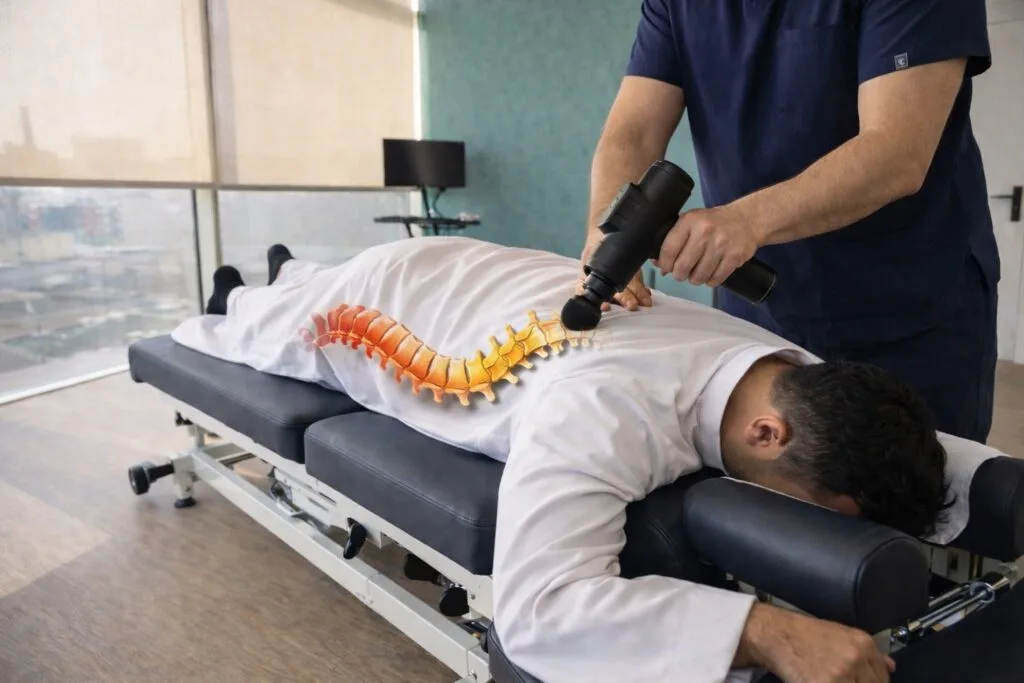
Chiropractic Care for Scoliosis
Chiropractic care can be beneficial as part of a comprehensive scoliosis plan, especially for improving mobility and reducing scoliosis-related pain (particularly in adults).
It may help with:
Improving movement of spinal joints
Reducing curve-related muscle tightness
Supporting postural balance and functional movement
Reducing pain and improving daily performance
Techniques are selected carefully based on age, curve severity, and clinical presentation.
Important note: In many scoliosis cases, the goal is not “fully straightening the spine,” but improving function, reducing symptoms, slowing progression where possible, and improving quality of life.
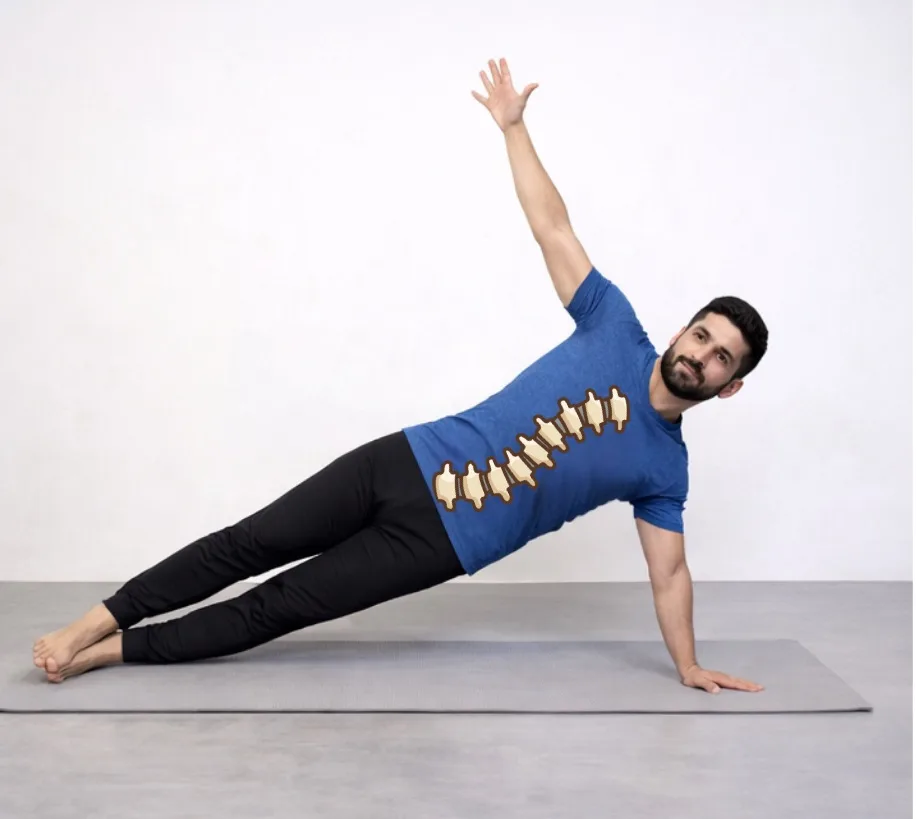
Rehabilitation Exercises & Strengthening (Most Important)
Treatment does not stop at clinic sessions. We provide a customized home rehab program.
We focus on:
Deep spinal stabilizers
Deep core muscles
Pelvic stability
Gluteal strength
Left-right balance training
Breathing and posture work (in selected cases)
Strengthening reduces spinal load, improves posture control, and supports long-term pain reduction.
Posture Correction & Lifestyle Optimization
Scoliosis is strongly affected by lifestyle factors, especially when poor posture and muscle weakness are present.
Common contributing habits:
Prolonged sitting with twisting or leaning
Carrying a bag on one shoulder for long periods
Low activity and weak conditioning
Sleeping positions that increase spinal strain
At Rikaz Body, we guide you in:
Proper sitting posture with less twisting
Correct load distribution (bags/items)
Simple stability and balance drills
Sleep positions that reduce tension
Work/study setup adjustments to reduce back strain
These changes help reduce pain, improve posture, and lower the risk of worsening.
Frequently Asked Questions About Scoliosis
It depends on curve size and how quickly it progresses. Many cases are mild and managed conservatively. Advanced cases may affect posture and breathing and require closer evaluation.
Yes. When provided by a qualified chiropractor, it can be a safe and effective part of a scoliosis plan to improve mobility, flexibility, muscle balance, and functional posture.
Yes. Many cases can be managed without surgery through conservative care (rehab exercises, strengthening, manual therapy, posture correction, and sometimes bracing based on medical advice).
It depends on age, curve severity, symptoms, and your consistency with home exercises. Pain and movement improvements often appear within weeks, while posture improvement takes time and a structured plan.
Book a professional evaluation if you notice:
Uneven shoulders or one shoulder lower
Shoulder blade prominence when bending forward
Uneven waistline or pelvic tilt
Unexplained persistent neck or back pain
Quick fatigue after sitting/standing
Curve changes over a short time (especially in teens)
Family history of scoliosis
Early evaluation — especially during growth — gives the best chance to control progression.
Yes. Early intervention is very important. Care is modified for growth stages, and we may recommend medical follow-up if bracing or imaging is needed.
Not always. Some people have scoliosis without pain. Pain may develop due to muscle imbalance, joint stress, or disc degeneration over time, especially in adults.
Scoliosis does not automatically cause a herniated disc or sciatica, but it can increase uneven loading on discs and joints over time — especially in adults. This may contribute to:
Faster disc wear
Lower back pain
In some cases, nerve compression that feels similar to sciatica
That’s why evaluation should determine whether symptoms are caused by:
scoliosis itself
a herniated disc
or nerve compression
Learn more:
Herniated Disc Treatment in Jeddah
Sciatica Treatment in Jeddah
At Rikaz Body Chiropractic Clinics in Jeddah, we perform a detailed assessment to identify the true cause and build the right plan for your condition.
Still Have Questions?
Contacts Us Today.
Or book your consultation with us
Special Online Booking Offer
Consultation fee only 350 SAR when booked online.
Have other symptoms?
You can get to know the other condition we treat at Rikaz Chiropractic in Jeddah by reading the conditions below: